Asbestos was once a popular material in commercial construction due to its strength and heat resistance. However, its harmful effects have become well-documented over time. Exposure to asbestos fibres poses serious health risks, including lung disease and cancer. For businesses in Adelaide, ensuring the safety of employees and clients through thorough asbestos inspection is not just a legal requirement but also a crucial responsibility. This article highlights the importance of asbestos inspections and their role in creating a safer workplace.
Understanding Asbestos and Its Risks
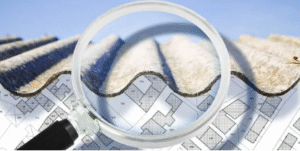 Asbestos is a naturally occurring mineral significantly used in construction materials, including insulation, roofing, and flooring. When these materials deteriorate or are disturbed, asbestos fibres become airborne and can be inhaled. Long-term exposure to these fibres is linked to serious illnesses, including asbestosis, lung cancer, and mesothelioma. Because symptoms may take decades to appear, many people unknowingly put themselves at risk without realising the consequences.
Legal and Regulatory Obligations
Governments around the world have strongly established strict regulations regarding asbestos inspection and management. Businesses that fail to fully comply with these regulations face heavy fines, legal actions, and potential shutdowns. Workplace safety laws require businesses to assess asbestos risks and implement control measures to effectively protect their employees and clients. Regular asbestos inspections ensure compliance with local regulations and demonstrate a commitment to workplace safety.
Preventing Health Hazards in the Workplace
Conducting a professional asbestos inspection helps identify potential hazards before they become a problem. If asbestos-containing materials (ACMs) are present in a building, businesses in Adelaide can take the necessary steps to manage or remove them safely. This proactive approach reduces the likelihood of employee and client exposure, preventing long-term health consequences and potential liability for the business.
Avoiding Costly Litigation and Fines
Businesses that neglect asbestos inspections put themselves at risk of legal trouble. Employees or clients who develop asbestos-related illnesses due to exposure in a workplace can file lawsuits against the company. In addition to compensation claims, regulatory bodies can impose substantial fines for non-compliance. A single estos inspection can prevent costly legal battles, safeguard the company’s reputation, and ensure business continuity.
Enhancing Workplace Safety and Reputation
A safe workplace fosters trust and productivity. Employees feel more secure knowing that their employer takes health risks seriously. Regular asbestos inspections demonstrate a commitment to providing a safe working environment, which boosts employee morale and reduces absenteeism due to work-related illnesses. Moreover, businesses that prioritise safety earn a positive reputation, attracting more clients and partners who signfiicantly value responsible corporate practices.
The Role of Professional Asbestos Inspectors
A professional asbestos inspection involves a thorough assessment of a building’s materials to detect the presence of asbestos. Licensed inspectors use advanced techniques, such as air monitoring and material sampling, to determine asbestos levels. If asbestos is found, they provide recommendations for safe management or removal. Attempting to inspect or remove asbestos without proper expertise can be hazardous, making professional services essential.
When Should Businesses Conduct an Asbestos Inspection?
Businesses should schedule an asbestos inspection in the following situations:
- Before renovation or demolition: Disturbing asbestos-containing materials during construction can release harmful fibres into the air.
- When purchasing or leasing a property, A pre-purchase asbestos inspection helps identify potential risks before committing to a new space.
- If a building is aging, Older structures are more likely to contain asbestos, and wear and tear can cause fibres to become airborne.
- After natural disasters: Events like floods or earthquakes can damage asbestos-containing materials, making an inspection necessary to assess risks.
The Cost vs. Benefit of Asbestos Inspections
Some businesses may hesitate to conduct asbestos inspections due to cost concerns. However, the expense of an inspection is minimal compared to the financial consequences of non-compliance, litigation, or asbestos-related illnesses. Investing in regular asbestos inspections saves businesses money in the long run by preventing costly legal battles, medical claims, and reputational damage.
Conclusion
Asbestos inspection is a critical aspect of workplace safety and regulatory compliance. By identifying and managing asbestos risks, businesses protect their employees, clients, and overall operations. Proactive inspections help prevent health hazards, avoid legal consequences, and maintain a strong reputation in the industry. For any business operating in an older building, scheduling a professional asbestos inspection is not just a legal requirement—it’s a responsible and necessary step toward ensuring a safe and healthy workplace.