Monthly Archives: January 2025

Siemens Controllers: Empowering Industries with Cutting-Edge Automation

In New Zealand’s dynamic industrial landscape, Siemens controllers have become a cornerstone of modern automation. These innovative solutions empower businesses to achieve unparalleled efficiency, reliability, and scalability in their operations. As industries continue to embrace Industry 4.0, Siemens controllers stand out as a trusted choice for businesses across sectors, from manufacturing and agriculture to logistics and energy. For more Siemens controllers automation solutions, check this out.

What Are Siemens Controllers?

Siemens controllers are advanced programmable logic controllers (PLCs) and distributed control systems (DCSs) that form the backbone of industrial automation. Renowned for their precision, reliability, and versatility, they are designed to monitor and control industrial processes with minimal human intervention.

Key Features of Siemens Controllers
Scalability

Siemens controllers are designed to accommodate diverse operational scales. Whether a business requires a compact system for a small plant or a robust network for a multi-facility enterprise, Siemens has a solution.
Integration

Siemens controllers support seamless integration with other Siemens products and third-party systems. This interoperability enhances flexibility, allowing businesses to expand or modify their systems as needed.
User-Friendly Interfaces

Siemens controllers, equipped with intuitive programming environments such as TIA Portal, make it easy for engineers and technicians to develop, deploy, and manage automation solutions.

Real-Time Data Processing

With high-speed processors and advanced algorithms, Siemens controllers provide real-time insights, enabling businesses to optimise processes, reduce downtime, and improve decision-making.
Robust Security

As cybersecurity becomes a critical concern in automation, Siemens controllers come with built-in security features to protect industrial systems from unauthorised access and cyber threats.

Applications of Siemens Controllers in New Zealand
Manufacturing

Siemens controllers are extensively used in New Zealand’s manufacturing sector. From assembly lines to quality control, these controllers ensure precision and efficiency. Their ability to handle complex processes makes them indispensable for manufacturers aiming to stay competitive.
Agriculture

Automation has revolutionised agriculture in New Zealand, with Siemens controllers playing a key role. Automated irrigation systems, climate control in greenhouses, and livestock monitoring are just a few examples where Siemens controllers enhance productivity and sustainability.
Energy and Utilities

As New Zealand focuses on renewable energy, Siemens controllers are integral to managing energy production and distribution. They are widely used in wind farms, solar power plants, and water treatment facilities, ensuring efficient and reliable operations.
Logistics and Warehousing

With the rise of e-commerce, New Zealand’s logistics and warehousing sectors are under pressure to deliver faster and more accurately. Siemens controllers power automated conveyor systems, robotic picking solutions, and inventory management systems, streamlining operations.

Benefits of Using Siemens Controllers
Increased Efficiency

Siemens controllers automate repetitive and time-consuming tasks, reducing the need for manual intervention. It improves productivity and minimises errors, leading to cost savings over time.
Enhanced Reliability

Known for their durability and robust design, Siemens controllers operate reliably even in challenging environments. It ensures uninterrupted operations, a critical factor for industries such as energy and manufacturing.
Customisation and Flexibility

Every business has unique needs, and Siemens controllers offer the flexibility to design automation solutions tailored to specific requirements. Their modular design allows easy upgrades and expansions, ensuring they grow with the business.
Data-Driven Decision-Making

With real-time data collection and processing capabilities, Siemens controllers provide actionable insights that help businesses optimise their processes and improve overall performance.
Sustainability

Siemens controllers contribute to sustainable operations by enabling efficient resource management and reducing waste. It aligns with New Zealand’s commitment to environmental stewardship and green energy initiatives.

Why Choose Siemens Controllers in New Zealand?

Siemens has a long-standing reputation for delivering cutting-edge automation solutions backed by global expertise and local support. In New Zealand, businesses benefit from Siemens’ robust distributor network, technical assistance, and comprehensive training programs. These resources ensure that companies can maximise the potential of Siemens controllers while minimising downtime and maintenance costs.

Conclusion:

Siemens controllers are transforming the way industries in New Zealand approach automation. By delivering unmatched reliability, efficiency, and scalability, these controllers empower businesses to optimise their operations and achieve long-term success.

Whether you’re looking to streamline manufacturing, enhance agricultural processes, or modernise energy systems, Siemens controllers offer the perfect solution. Explore the possibilities and take your business to the next level with Siemens Controllers in New Zealand.

Cardboard Packaging NZ: A Sustainable Solution for Businesses and Consumers

In today’s fast-paced, environmentally conscious world, businesses across New Zealand are seeking sustainable packaging solutions to reduce their ecological footprint. Among the most effective and versatile options is cardboard packaging. Whether for shipping, retail display, or storage, cardboard packaging offers an eco-friendly, cost-effective, and durable solution. For recyclable cardboard packaging, click here.

The Growing Demand for Sustainable Packaging

recyclable cardboard packagingAs environmental concerns intensify, New Zealanders are becoming increasingly aware of the impact of waste on the planet. Packaging waste, particularly plastic, has long been a significant contributor to environmental pollution. In response, many businesses in New Zealand are shifting toward cardboard packaging as a more sustainable alternative. Unlike plastic, cardboard is biodegradable, recyclable, and made from renewable resources, making it a superior choice for eco-conscious consumers.
The New Zealand government has also been instrumental in promoting sustainable practices. With initiatives to reduce plastic waste and encourage recycling, businesses are incentivised to adopt materials that align with sustainability goals. This shift toward eco-friendly solutions has led to an increase in demand for cardboard packaging across various industries, from e-commerce to food and beverage packaging.

Key Benefits of Cardboard Packaging

Environmental Sustainability

One of the notable reasons for the growing popularity of cardboard packaging is its environmental benefits. Cardboard is made from paper, a renewable resource, and can be recycled multiple times. In fact, most cardboard packaging in New Zealand is made from at least 50% recycled materials, making it a closed-loop solution that reduces waste. As a result, using cardboard packaging helps businesses lower their carbon footprint and greatly contribute to a circular economy.

Cost-Effectiveness

For businesses, cardboard packaging is often a more affordable option compared to other materials. Cardboard is lightweight, which reduces transportation costs, especially for shipping companies. It is also relatively inexpensive to manufacture, making it a practical choice for businesses seeking budget-friendly packaging solutions. The cost-effectiveness of cardboard packaging is particularly beneficial for many small businesses and startups looking to reduce operating expenses without compromising on quality or sustainability.

Durability and Protection

Cardboard packaging is known for its durability and protective qualities, making it an excellent option for shipping goods. It provides a sturdy barrier against impact, moisture, and dirt, ensuring that products arrive at their destination in excellent condition. Whether you’re shipping electronics, clothing, or fragile items, cardboard packaging helps maintain the integrity of your products during transit.

Versatility and Customisation

Cardboard packaging is incredibly versatile, allowing businesses to customise it to suit their specific needs. From corrugated boxes to flat-packed cartons, cardboard packaging can be significantly moulded into various shapes and sizes to accommodate a wide range of products. Customisation options such as printed logos, branding, and designs also enable businesses to create packaging that enhances their brand identity and stands out on store shelves or in online marketplaces.

Consumer Appeal

Consumers are increasingly looking for products that are packaged in eco-friendly materials, and cardboard packaging fits this demand perfectly. Many New Zealand consumers value sustainability and prefer purchasing products that are packaged using recyclable or biodegradable materials. By using cardboard packaging, businesses can appeal to the growing eco-conscious consumer base and build brand loyalty among customers who prioritise environmental responsibility.

Cardboard Packaging in the E-commerce Industry

The continuous rise of online shopping in New Zealand has significantly increased the demand for reliable and sustainable packaging. E-commerce companies are responsible for delivering products directly to consumers, which means they need packaging that can withstand the rigours of shipping. Cardboard packaging is a popular choice in the e-commerce industry because it is lightweight, durable, and easy to recycle.

Conclusion:

Cardboard packaging is a crucial component of sustainable business practices in New Zealand. Its eco-friendly, cost-effective, and durable nature makes it a preferred choice for most businesses looking to reduce their environmental impact while completely maintaining product quality and customer satisfaction. With the continuous growth of e-commerce and the increasing demand for sustainable solutions, cardboard packaging is poised to remain a leading packaging choice in New Zealand for years to come.

For businesses seeking to significantly make a positive environmental impact while delivering high-quality products, investing in cardboard packaging is a smart and responsible choice.

Recycling Depot in Adelaide: Your Ultimate Guide to Sustainable Waste Management

Recycling has become a vital part of modern living, helping to reduce waste, conserve natural resources, and minimise our environmental impact. In Adelaide, SA, recycling depots play a crucial role in this eco-friendly effort. Whether you’re a homeowner looking to dispose of recyclables responsibly or a business aiming to improve waste management practices, a recycling depot in Adelaide is your go-to solution. For the recycling depot near me, click here.

What Is a Recycling Depot?

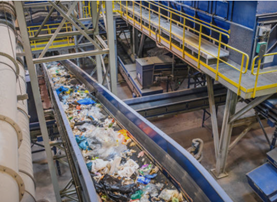
recycling depot near meA recycling depot is a facility that collects, processes and sorts recyclable materials such as paper, plastic, glass, and metal. These depots are essential hubs for turning waste into valuable resources and preventing these materials from ending up in landfills. By utilising a recycling depot, Adelaide residents and businesses contribute significantly to creating a cleaner and greener city.

Benefits of Using a Recycling Depot in Adelaide

Environmental Conservation

Recycling reduces the need for raw material extraction, lowering the carbon footprint of manufacturing processes. Adelaide’s recycling depots help minimise waste and promote sustainable practices.

Economic Advantages

Recycling creates jobs in the collection, sorting, and processing industries. Additionally, the materials recovered can be reused or sold, generating revenue and reducing production costs for manufacturers.

Declutter Your Space

Recycling depots provide a convenient way to dispose of unwanted items, freeing up space at home or in your workplace while ensuring responsible waste disposal.

Support for Circular Economy

By recycling materials, you participate in a circular economy where resources are reused, recycled, and repurposed, reducing the demand for new raw materials.

Commonly Accepted Items at Recycling Depots

Most recycling depots in Adelaide accept a wide range of materials, including:

  • Paper and Cardboard: Newspapers, magazines, office paper, and cardboard boxes.
  • Plastics: Bottles, containers, and packaging materials marked with recyclable symbols.
  • Glass: Bottles and jars, often separated by colour for more efficient processing.
  • Metals: Aluminum cans, steel tins, and scrap metal.
  • E-waste: Old computers, printers, mobile phones, and other electronics.

Some depots also accept hazardous waste, such as batteries, fluorescent lights, and chemicals, but it’s best to check with your local facility for specific guidelines.

How to Find a Recycling Depot in Adelaide

Finding a nearby recycling depot in Adelaide is straightforward. Here are some tips to get started:

Online Directories

Websites like Planet Ark and Recycling Near You provide comprehensive lists of recycling depots in Adelaide, categorised by the materials they accept.

Council Resources

Adelaide’s local councils often provide information about nearby recycling depots, including collection schedules and special recycling events.

Mobile Apps

Download apps like RecycleSmart or Litterati to locate recycling depots and learn about what materials can be recycled in your area.

Tips for Effective Recycling

To make the most out of your visit to a recycling depot in Adelaide, follow these best practices:

  • Sort Your Materials: Pre-sorting materials into categories (paper, plastic, glass, etc.) speed up the drop-off process and ensure proper recycling.
  • Clean Items Beforehand: Rinse containers to remove food or liquid residue, as contaminated items may not be recyclable.
  • Check for Labels: Look for recycling symbols and codes to determine whether an item is suitable for recycling.
  • Avoid Wish-Cycling: Refrain from placing non-recyclable items in your recycling bin, as they can contaminate entire batches of recyclables.
  • Take Advantage of Container Deposit Schemes: Many Adelaide recycling depots participate in South Australia’s container deposit scheme, offering refunds for eligible drink containers.

Recycling Depot Services for Businesses

Adelaide’s recycling depots also cater to businesses, providing tailored solutions for commercial waste management. These services may include:

  • Bulk Recycling: Ideal for industries generating large quantities of recyclable waste.
  • Secure Document Destruction: Protect sensitive information with certified shredding and recycling services.
  • Custom Waste Management Plans: Develop strategies to reduce, reuse, and recycle effectively.

Conclusion:

A recycling depot in Adelaide is more than just a place to drop off recyclables—it’s a vital component of the city’s sustainability framework. Whether you’re clearing out your garage, managing a construction site, or looking to implement greener practices in your business, recycling depots provide accessible and efficient solutions.