Ensuring workplace safety is a key priority for both employers and employees in Adelaide. One of the most significant threats in older buildings is asbestos, a hazardous material that can cause severe health issues if disturbed. Ensuring workplace safety with licensed asbestos testing is very important to identifying and mitigating risks associated with asbestos exposure. Without professional assessment, businesses could unknowingly put their employees at risk of long-term health complications. This article explores the importance of licensed asbestos testing, the risks of asbestos exposure, and the steps businesses should take to comply with safety regulations.
Understanding Asbestos and Its Risks
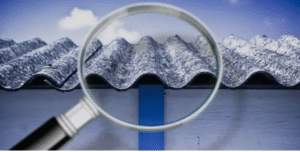 Asbestos, a naturally occurring mineral, was widely utilised in construction materials significantly due to its strength and fire-resistant qualities. However, disturbing asbestos-containing materials (ACMs) can release tiny fibres into the air, which, when inhaled, may cause severe respiratory illnesses, including:
- Asbestosis – A chronic lung disease that causes scarring and serious breathing difficulties.
- Lung Cancer – A potentially fatal disease linked to prolonged asbestos exposure.
- Mesothelioma – A rare and aggressive cancer significantly affecting the lining of the lungs and abdomen.
Because of these health risks, the use of asbestos has been heavily regulated and, in many cases, banned. However, numerous commercial and industrial buildings constructed before the 1990s still contain asbestos, making licensed asbestos testing essential for workplace safety.
The Importance of Licensed Asbestos Testing
1. Accurate Identification and Assessment
Licensed asbestos testers are trained professionals who use specialised techniques to detect asbestos in building materials. Unlike DIY asbestos testing kits, professional testing ensures accurate results, identifying both friable (easily crumbled) and non-friable asbestos. This assessment helps determine whether the asbestos poses an immediate risk or can remain undisturbed.
2. Compliance with Workplace Safety Regulations
Many countries and regions have strict laws regarding asbestos management in workplaces. Failure to fully comply with these regulations can result in heavy fines, legal liabilities, and reputational damage. Licensed asbestos testing helps businesses meet compliance requirements by:
- Conducting thorough asbestos inspections.
- Providing detailed reports for regulatory agencies.
- Offering expert recommendations on proper asbestos management and removal.
3. Preventing Health Hazards for Employees
Workplace safety should be a priority for every employer. If asbestos is present in a work environment, workers may unknowingly inhale harmful fibres, leading to serious health problems over time. Through licensed asbestos testing, businesses can identify potential risks and take appropriate measures to significantly protect their employees, such as encapsulating or safely removing asbestos-containing materials.
4. Reducing Liability and Legal Risks
Employers have a strong duty of care to ensure a safe working environment. Neglecting asbestos-related risks can result in costly lawsuits, workers’ compensation claims, and liability for occupational diseases. Hiring licensed asbestos testers helps mitigate legal risks by demonstrating due diligence in identifying and managing asbestos hazards.
The Process of Licensed Asbestos Testing
Step 1: Initial Inspection and Sampling
Licensed asbestos professionals conduct a comprehensive inspection of the workplace, identifying potential ACMs. They collect ample samples in a controlled manner to prevent fibre release.
Step 2: Laboratory Analysis
Collected samples are immediately sent to an accredited laboratory for testing. Experts use advanced microscopy techniques to determine the overall presence and concentration of asbestos fibres in the material.
Step 3: Detailed Reporting and Recommendations
After testing, a report is provided outlining the findings, including the location, type, and condition of the asbestos. If asbestos poses a risk, licensed testers offer recommendations for safe management or removal.
Step 4: Asbestos Management or Removal
Depending on the findings, businesses may choose to encapsulate the asbestos (sealing it to prevent fibre release) or proceed with professional removal. Licensed asbestos removal specialists should handle this process to ensure compliance with safety protocols.
The Role of Employers in Asbestos Safety
Employers play a huge role in maintaining workplace safety concerning asbestos. Key responsibilities include:
- Conducting regular asbestos assessments with the help of licensed professionals.
- Providing employee training on asbestos awareness and safety procedures.
- Implementing proper asbestos management plans in case ACMs are found.
- Ensuring immediate action if asbestos is disturbed or poses a risk.
Conclusion
Workplace safety should never be compromised, and licensed asbestos testing is a critical step in protecting employees from asbestos exposure. By ensuring compliance with safety regulations, preventing health hazards, and reducing legal risks, businesses can create a safer working environment. Investing in professional asbestos testing is not just a legal obligation—it is a responsibility that safeguards the well-being of workers and contributes to a healthier workplace. If your workplace is in a building constructed before the asbestos ban, it is essential to schedule licensed asbestos testing today.