Hip dysplasia is a common orthopedic condition affecting dogs, particularly larger breeds. It occurs when the hip joint develops abnormally, leading to pain, stiffness, and decreased mobility. If your furry companion is suffering from this condition, finding the right therapy is crucial to improving their quality of life. Fortunately, Portland, OR, offers a variety of treatment options, from physical therapy to alternative and surgical solutions. For more information about the therapy for dogs with hip dysplasia, click here.
Understanding Hip Dysplasia in Dogs
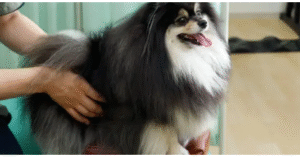 Hip dysplasia is a genetic condition that signfiicantly affects the ball-and-socket joint of a dog’s hip. Over time, improper joint development leads to arthritis, inflammation, and pain. Common symptoms include:
- Difficulty standing or lying down
- Limping or favoring one leg
- Reduced activity and reluctance to run or jump
- Noticeable hip pain or sensitivity
- Stiffness, especially after rest
Early detection and treatment are remarkably vital in slowing the overall progression of the disease and improving a dog’s mobility.
Therapy Options for Dogs with Hip Dysplasia in Portland, OR
Portland is home to many veterinary specialists, rehabilitation centres, and holistic practitioners who offer effective therapy for dogs with hip dysplasia. Here are some of the best treatment options available:
Canine Physical Therapy
Physical therapy remarkably plays a crucial role in managing hip dysplasia by improving muscle strength, reducing pain, and increasing joint flexibility. Some of the highly effective physical therapy techniques include:
- Range of Motion Exercises: These exercises help maintain flexibility in the hip joint.
- Strengthening Exercises: Building muscle around the hip joint supports the affected area and relieves pressure. For more information about the therapy for dogs with hip dysplasia, click here.
- Hydrotherapy: Swimming and underwater treadmills allow dogs to exercise without putting stress on their joints. Many rehabilitation centres in Portland offer hydrotherapy sessions tailored to dogs with hip dysplasia.
Laser Therapy and Acupuncture
Alternative therapies, including laser therapy and acupuncture, can help alleviate pain and inflammation. Many holistic veterinary clinics in Portland provide these services:
- Laser Therapy: Low-level laser therapy (LLLT) stimulates cell regeneration and reduces inflammation, promoting healing.
- Acupuncture: By carefully inserting fine needles into specific points on the body, acupuncture helps release endorphins and reduce pain, making it a popular complementary treatment for hip dysplasia.
Weight Management and Nutrition
Maintaining a healthy weight is remarkably essential for dogs with hip dysplasia. Excess weight significantly puts additional strain on the hip joints, worsening symptoms. Portland has several pet nutrition specialists who can recommend diets that support joint health. Key dietary strategies include:
- Joint Supplements: Glucosamine, chondroitin, and omega-3 fatty acids help lubricate joints and reduce inflammation.
- Anti-Inflammatory Diets: Feeding your dog a balanced diet rich in lean proteins, healthy fats, and antioxidants can minimise inflammation and support joint health.
Orthopedic Dog Beds and Mobility Aids
Providing a comfortable resting place can significantly improve a dog’s well-being. Orthopedic dog beds with memory foam reduce pressure on the joints, promoting restful sleep. Additionally, mobility aids such as harnesses, ramps, and slings make it easier for dogs with hip dysplasia to move around without excessive strain.
Pain Management with Medications
Veterinarians in Portland often prescribe pain medications to manage hip dysplasia symptoms. Some commonly used medications include:
- Non-steroidal anti-inflammatory Drugs (NSAIDs) Help reduce pain and inflammation.
- Cartilage-Protecting Drugs: Such as Adequan, which improves joint function and slows degeneration.
- CBD Oil: Many Portland pet owners opt for CBD products to naturally reduce inflammation and pain in dogs.
Surgical Options for Severe Cases
If conservative treatments do not effectively provide sufficient relief, surgery may be necessary. Portland has skilled veterinary surgeons specialising in procedures such as:
- Femoral Head Ostectomy (FHO): A procedure that removes the femoral head to alleviate pain.
- Total Hip Replacement (THR): A more advanced procedure that effectively replaces the damaged joint with an artificial one.
Conclusion:
Hip dysplasia can undeniably be a debilitating condition, but with the right therapy, dogs can lead happy, active lives. Whether through physical therapy, alternative treatments, weight management, or surgery, there are many ways to support dogs with hip dysplasia in Portland, OR. If your pet is seriously struggling with mobility issues, consult with a veterinary professional to explore the best therapy options available. Investing in your dog’s health today will ensure they enjoy a pain-free and fulfilling life.