In the world of modern agriculture, efficiency and safety are paramount. Among the various tools and practices that contribute to a productive farm, the proper handling of baler twine stands out as particularly vital. Baler twine, used to secure bales of hay, straw, and other crops, plays a critical role not only in facilitating storage and transport but also in ensuring the safety of both farm equipment and livestock. This article explores the importance of safe baler twine handling in agricultural operations, emphasising the benefits it brings to farm efficiency, equipment longevity, and overall safety.
Understanding Baler Twine and Its Uses
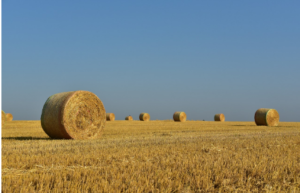 Baler twine is a type of string or cord used in agricultural balers to bind bales of harvested crops. It is typically made from durable materials such as polypropylene or biodegradable options like sisal. The primary function of baler twine is to keep bales tightly bound, which aids in their handling, storage, and transportation. Secure bales prevent loss of crop material and protect it from environmental elements, maintaining its quality and usability.
The Importance of Safe Baler Twine Handling
Enhancing Equipment Longevity
One of the most significant reasons for ensuring safe baler twine handling is the protection of agricultural machinery. Improperly handled twine can lead to several issues, such as tangling and knotting, which can cause equipment malfunctions. When twine is not correctly fed or adjusted, it can jam balers, resulting in downtime and expensive repairs.
Promoting Worker Safety
The safety of farm workers is a top priority in any agricultural operation. Handling baler twine improperly can create hazardous conditions, leading to accidents and injuries. Loose or tangled twine can catch on moving parts of machinery, posing entanglement risks. Ensuring that twine is handled and stored correctly can significantly reduce these dangers, providing a safer working environment for everyone involved in the baling process.
Protecting Livestock and the Environment
Safe baler twine handling also has critical implications for livestock and environmental health. Twine left in fields or improperly disposed of can be ingested by animals, leading to digestive blockages and other health issues. Furthermore, discarded twine contributes to environmental pollution, particularly if it is not biodegradable. By implementing responsible disposal and recycling practices, farmers can protect their animals and reduce their environmental footprint.
Best Practices for Safe Baler Twine Handling
To maximise the benefits of baler twine and ensure its safe handling, farmers should adopt the following best practices:
- Regular Equipment Inspections
Before beginning baling operations, it is essential to inspect all equipment thoroughly. Check the twine feeding mechanisms, knotters, and rollers to ensure they are in good working condition. Regular maintenance and timely repairs can prevent twine-related issues and enhance overall efficiency.
- Proper Twine Storage
Store baler twine in a clean, dry location away from direct sunlight and moisture. Exposure to these elements can weaken the twine, making it more prone to breaking during use. Using dedicated twine dispensers can help keep the twine organised and tangle-free, facilitating smoother feeding into the baler.
- Correct Tension Adjustment
Adjust the baler settings to match the type and thickness of the twine being used. Proper tension is crucial for ensuring that bales are securely bound without overstraining the twine. Follow the manufacturer’s recommendations for your specific baler model to achieve optimal results.
- Safe Disposal and Recycling
After baling, collect any leftover twine and dispose of it responsibly. Participate in agricultural plastic recycling programs if available, or repurpose the twine for other farm uses where possible. This practice not only protects the environment but also reduces waste and promotes sustainability.
Conclusion
Safe baler twine handling is a fundamental aspect of successful agricultural operations. It enhances equipment longevity, promotes worker safety, and protects livestock and the environment. By adopting best practices for twine handling, farmers can ensure that their baling processes are efficient, safe, and sustainable.
In conclusion, the vital role of safe baler twine handling cannot be overstated. It is an essential practice that supports the overall productivity and safety of farming activities. By prioritising the proper handling, storage, and disposal of baler twine, farmers can reap the benefits of improved operational efficiency, reduced maintenance costs, and a safer working environment, all while contributing to environmental stewardship. Safe baler twine handling is not just a matter of good practice; it is a cornerstone of effective and responsible farming.
 Paint protection refers to the process of applying a protective layer over your vehicle’s paintwork to shield it from various environmental factors. These factors can include UV rays, dirt, road salt, bird droppings, tree sap, and more. Professional paint protection applications typically use high-quality products such as ceramic coatings or paint protection films (PPF), which offer superior durability and effectiveness compared to traditional waxes or sealants.
 Unlike traditional power sources, solar energy is a renewable energy source. It can offset your monthly electric bill and can be sold to the grid. You can even sell the excess power to the grid if you’d like. In other words, solar energy makes it easy to save the environment, and you’ll also save money. In addition, this renewable energy source will eliminate your need to worry about local utility companies and the rising costs associated with electricity.
 Bathroom tiles are not just about aesthetics; they play a critical role in the functionality and longevity of your bathroom. Tiles protect walls and floors from moisture damage, provide slip-resistant surfaces, and are easy to clean, making them ideal for the bathroom environment.
 Opting for second-hand auto parts is a popular choice for several reasons. Firstly, it is often more cost-effective, unlike purchasing new parts. It is especially beneficial for owners of older vehicles, where new parts might be prohibitively expensive or hard to find. Secondly, using second-hand parts is an environmentally friendly option. Recycling car parts reduces waste and the demand for new materials, making it a highly sustainable choice for the eco-conscious car owner.
 Carpets act as filters, trapping dust, dirt, allergens, and pollutants that settle over time. Regular vacuuming helps to remove surface debris, but professional carpet cleaning goes deeper, extracting embedded particles and revitalising the carpet fibres. In Adelaide’s bustling urban environment, where indoor air quality is crucial for health and comfort, thorough carpet maintenance is a necessity.
 Prime Locations and Scenic Views: Luxury homes in Adelaide are often nestled in exclusive neighbourhoods offering scenic views of the city skyline, coastal vistas, or serene parklands. These prime locations provide a sense of tranquillity and privacy while being conveniently close to urban amenities, prestigious schools, and cultural attractions.
 Sneaker Chic: Sneakers have transcended their athletic origins to become a staple in every woman’s wardrobe. From classic white kicks to bold, chunky designs, sneakers are versatile enough to complement any outfit. Pair them with jeans for a casual day out, or dress them up with a midi skirt for an effortlessly chic look.
 With a blend of expertise, dedication, and an unwavering commitment to excellence, these cleaning professionals have set the standard for what it means to deliver top-notch cleaning services in Geelong. But what exactly goes into maintaining this level of excellence?
 Specialised movers bring a wealth of experience and resources to the table, making them invaluable allies during the relocation process. Here are some compelling reasons to opt for professional movers in Adelaide: